
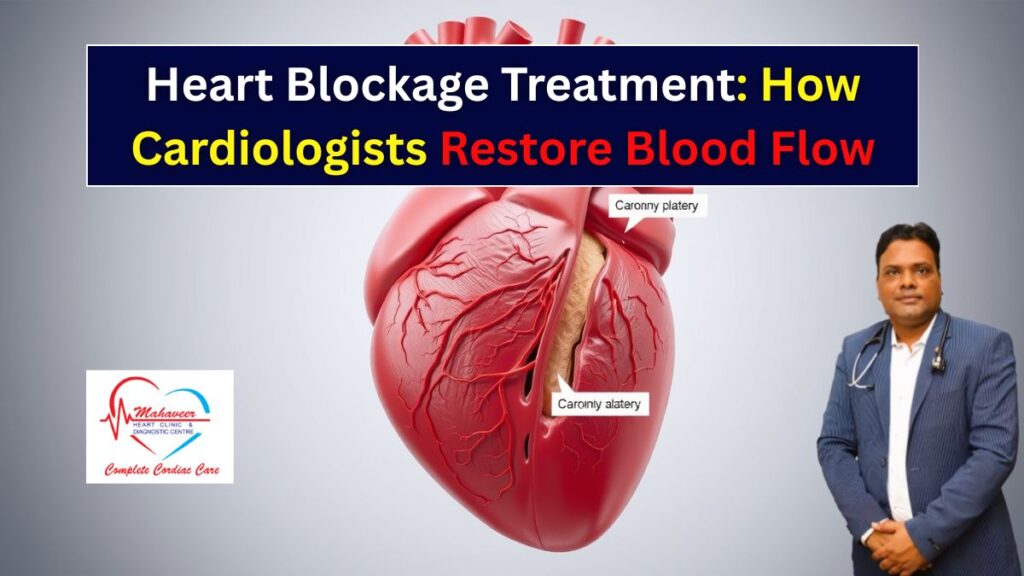
Heart disease remains one of the leading health concerns worldwide, and one of its most common causes is a blockage in the blood vessels of the heart. These blood vessels, known as coronary arteries, are responsible for supplying oxygen-rich blood to the heart muscle. When they become narrowed or blocked due to fat, cholesterol, or plaque buildup, the heart does not receive enough blood, increasing the risk of chest pain, heart attack, or even sudden cardiac arrest.
Heart Specialist in indore Dr. Rakesh Jain play a crucial role in diagnosing, treating, and managing this condition using both traditional and advanced medical technologies.
Understanding the Blockage in the Blood Vessels of the Heart
A blockage in the blood vessels of the heart usually develops slowly over time. Poor lifestyle habits, diabetes, high blood pressure, smoking, obesity, and stress all contribute to plaque formation. As the blockage increases, blood flow reduces, leading to symptoms such as chest pain, breathlessness, fatigue, or dizziness.
In some patients, symptoms may not appear until the blockage becomes severe, which is why early detection is extremely important.
Step 1: Advanced Diagnosis by Cardiologists
When a patient is suspected of having a blockage in the blood vessels of the heart, cardiologists begin with detailed clinical evaluation and modern diagnostic tests such as:
- ECG (Electrocardiogram) to check heart rhythm
- 2D Echo to assess heart pumping function
- Stress Test (TMT) to evaluate blood flow during activity
- CT Coronary Angiography for non-invasive vessel imaging
- Coronary Angiography, the gold standard test
Advanced imaging techniques now allow cardiologists to detect even minor blockages at an early stage, improving treatment outcomes.

Step 2: Medication-Based Management
For mild to moderate blockage in the blood vessels of the heart, cardiologists may first recommend advanced medical therapy. Modern medicines are highly effective in slowing plaque progression and preventing complications.
These may include:
- Blood thinners to prevent clot formation
- Cholesterol-lowering drugs (statins)
- Blood pressure control medicines
- Advanced anti-anginal drugs to reduce chest pain
With strict follow-up and lifestyle modification, many patients experience significant improvement without surgical intervention.
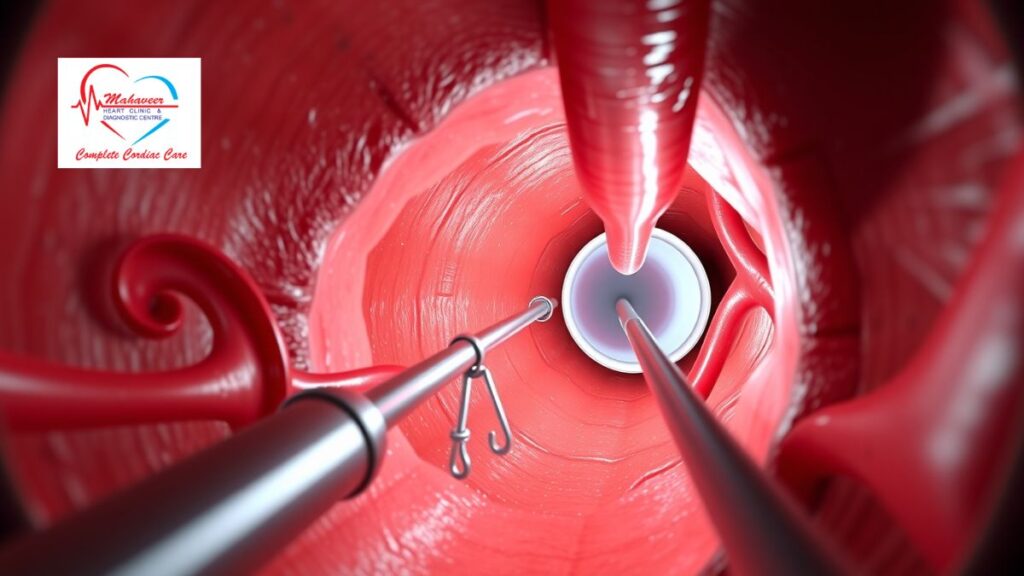
Step 3: Advanced Angioplasty and Stent Technology
When medicines alone are not enough, cardiologists recommend angioplasty, a minimally invasive and highly advanced procedure. During angioplasty, a thin catheter is inserted through the wrist or groin to open the blocked artery.
Modern advancements have made this procedure safer and more effective:
- Drug-Eluting Stents (DES) reduce chances of re-blockage
- Imaging-guided angioplasty (IVUS / OCT) ensures precise stent placement
- Rotablation for heavily calcified blockages
- Shockwave therapy to break hard plaque safely
These advanced techniques allow cardiologists to treat even complex blockage in the blood vessels of the heart with faster recovery and minimal discomfort.
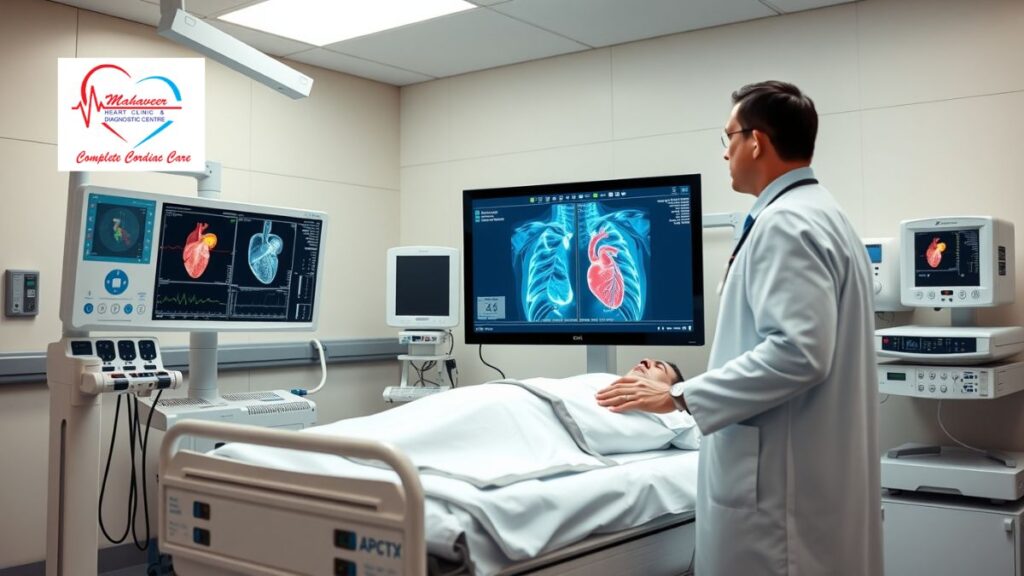
Step 4: Bypass Surgery for Severe Cases
In patients with multiple or critical blockages, especially involving major arteries, cardiologists may recommend Coronary Artery Bypass Grafting (CABG). This surgery creates a new pathway for blood flow using healthy blood vessels from other parts of the body.
With advancements in surgical methods, minimally invasive and beating-heart bypass surgeries are now available, reducing hospital stay and improving survival rates for patients with severe blockage in the blood vessels of the heart.
Step 5: Advanced Post-Treatment Care and Monitoring
Treatment does not end after a procedure. Cardiologists now focus strongly on long-term heart protection using advanced follow-up strategies such as:
- Digital heart monitoring devices
- Regular cardiac imaging
- Personalized medication plans
- Cardiac rehabilitation programs
These measures help prevent recurrence of blockage in the blood vessels of the heart and improve overall quality of life.
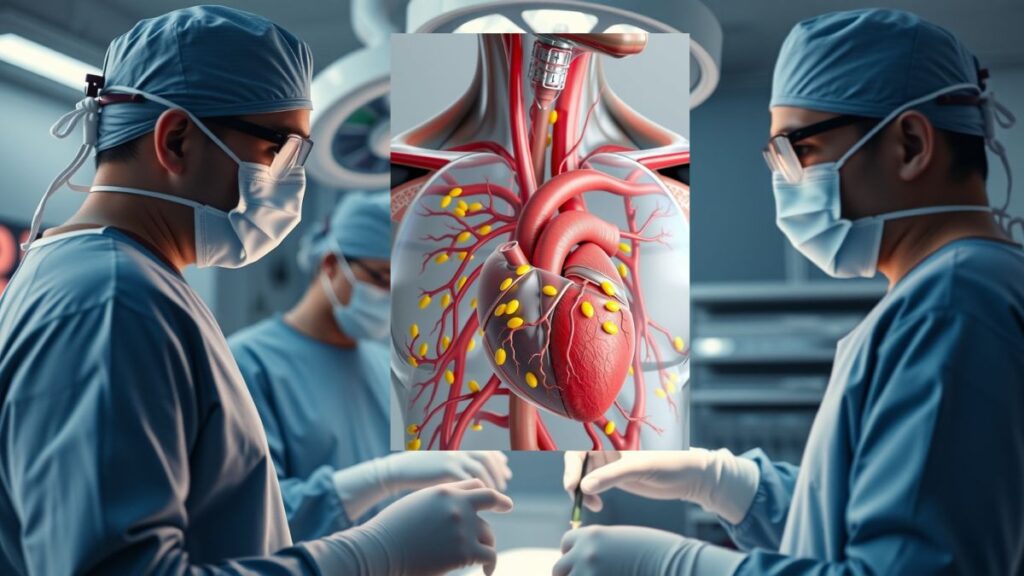
Benefits of Advanced Treatment for Heart Patients
Modern cardiology has transformed heart care. Advanced treatments offer:
- Early detection of silent blockages
- Less invasive procedures with quick recovery
- Reduced risk of heart attack and complications
- Improved heart function and stamina
- Longer, healthier life expectancy
Patients today can return to normal daily activities much faster than before, thanks to innovation and expertise in cardiac care.
Conclusion
A blockage in the blood vessels of the heart is a serious condition, but with timely diagnosis and advanced treatment, it can be effectively managed. Dr. Rakesh Jain Cardiologist in Indore, use a step-by-step approach that includes modern diagnostic tools, advanced medicines, high-tech angioplasty, and surgical options when needed. Most importantly, continuous follow-up and lifestyle correction play a vital role in long-term heart health.
If symptoms are identified early and treated with the latest advancements in cardiology, patients can lead a safe, active, and fulfilling life even after a blockage in the blood vessels of the heart.