

Pericardiocentesis procedure: Everything You Need to Know About
Pericardiocentesis is a specialized heart procedure that can be life-saving when excess fluid accumulates around the heart. Although the name may sound complex, understanding the purpose and process of this treatment can help patients and families feel more confident and prepared. According to experienced cardiologists such as Dr. Rakesh Jain, a leading cardiologist in Indore, timely diagnosis and appropriate treatment of heart conditions can significantly improve outcomes and prevent serious complications.

What is Pericardiocentesis?
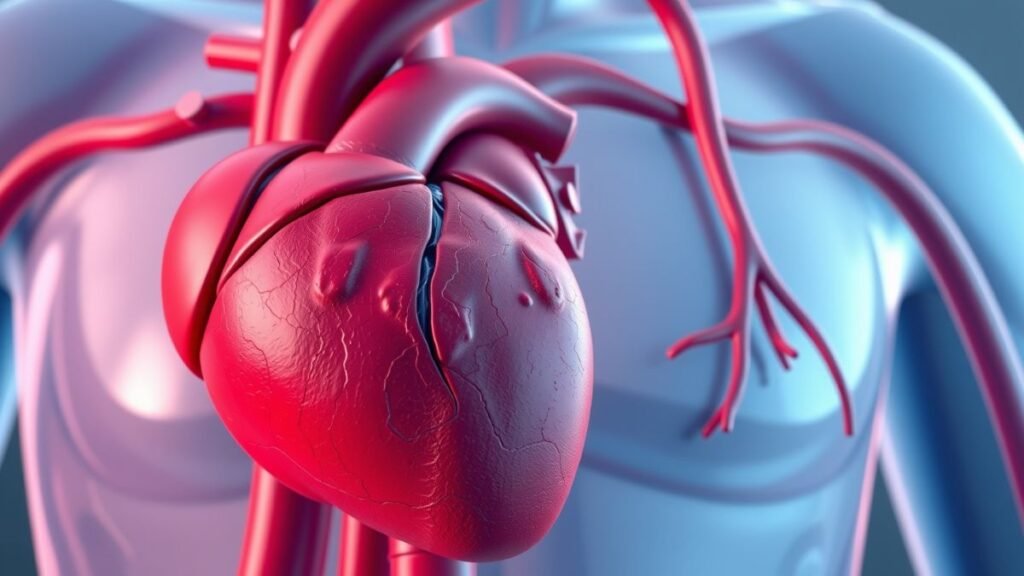
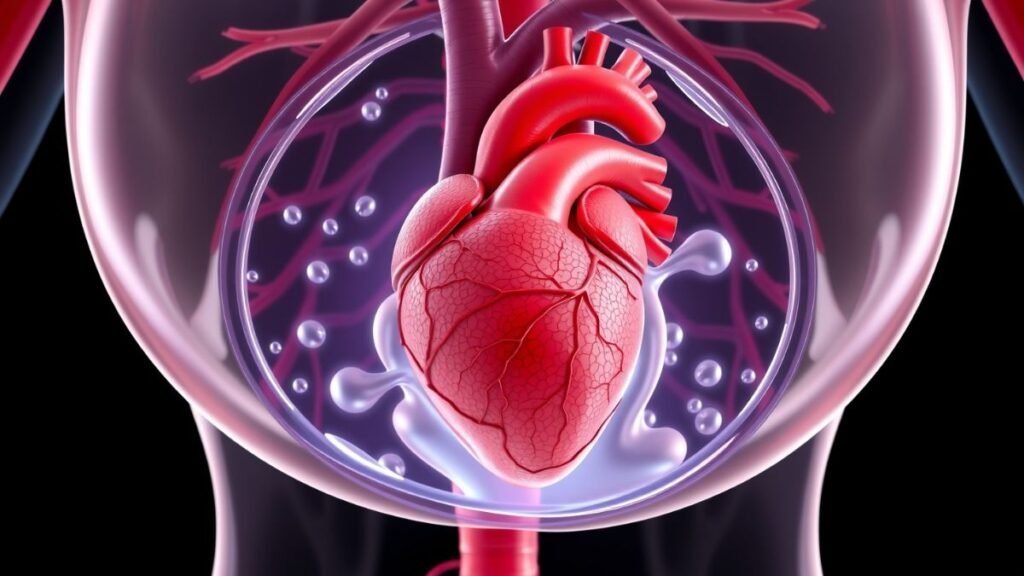
Pericardiocentesis is a medical procedure used to remove excess fluid that has collected in the sac surrounding the heart, known as the pericardium. This fluid buildup is called pericardial effusion.
When too much fluid accumulates around the heart, it can place pressure on the heart muscle and reduce its ability to pump blood effectively. In severe cases, this condition can lead to cardiac tamponade, which is considered a medical emergency.
Pericardiocentesis helps relieve this pressure, allowing the heart to function normally again.
How Would You Explain Pericardiocentesis?
In simple terms, pericardiocentesis is a procedure in which a doctor inserts a thin needle through the chest wall into the fluid-filled space surrounding the heart. The fluid is then drained using a catheter or tube.
Pericardiocentesis procedure serves two important purposes:
- To reduce pressure on the heart and improve circulation
- To collect fluid samples for laboratory testing to identify the underlying cause
As explained by Dr. Rakesh Jain, pericardiocentesis is not only a therapeutic procedure but also an important diagnostic tool that helps doctors understand why fluid has accumulated around the heart.

Why is the pericardiocentesis procedure performed on a patient?
Doctors recommend the pericardiocentesis procedure when fluid accumulating around the heart begins to affect its normal functioning or when further investigation into the cause of the fluid accumulation is required.
Common reasons for performing pericardiocentesis include:
- Severe pericardial effusion
- Cardiac tamponade
- Infections affecting the pericardium
- Cancer-related fluid accumulation
- Autoimmune disorders
- Kidney failure
- Complications after heart surgery
- Chest trauma or injury
- Certain inflammatory conditions
Prompt treatment is essential because untreated fluid buildup can become dangerous and may interfere with blood flow throughout the body.
Who Performs Pericardiocentesis?
Pericardiocentesis is usually performed by an experienced cardiologist, interventional cardiologist, or a specially trained cardiac specialist.
Because the procedure involves working near the heart, it requires expertise, precision, and advanced imaging guidance. Hospitals performing pericardiocentesis typically have modern cardiac facilities and continuous monitoring systems to ensure patient safety.
Specialists such as Dr. Rakesh Jain, a renowned cardiologist in Indore, emphasize the importance of expert evaluation before recommending the procedure to ensure it is necessary and appropriate for each patient.
What Is the Pericardiocentesis Procedure?
Before the procedure begins, doctors conduct imaging tests such as an echocardiogram to determine the amount and location of the fluid.
The pericardiocentesis procedure typically involves these steps:
- The patient is positioned comfortably on the examination table.
- The chest area is cleaned thoroughly and sterilized.
- Local anesthesia is administered to numb the insertion site.
- Using ultrasound or echocardiographic guidance, the doctor carefully inserts a needle into the pericardial space.
- Once the fluid is reached, a catheter may be inserted to allow continuous drainage.
- The collected fluid may be sent to a laboratory for analysis.
- After adequate drainage, the catheter is removed or temporarily left in place if additional fluid removal is needed.
Throughout the procedure, the patient’s blood pressure, heart rhythm, and oxygen levels are closely monitored.
How Long Does Pericardiocentesis Take?
The duration of pericardiocentesis can vary depending on the patient’s condition and the amount of fluid that needs to be removed.
In most cases, the pericardiocentesis procedure takes approximately 30 to 60 minutes.
However, if a drainage catheter needs to remain in place for continued fluid removal, the patient may stay under observation for a longer period. Hospital monitoring ensures that the heart continues to function normally after treatment.
How Do Doctors Determine Whether Pericardiocentesis Has Been Successful?
Doctors evaluate the success of pericardiocentesis by assessing both the patient’s symptoms and imaging findings.
Signs of a successful procedure include:
- Improvement in breathing difficulties
- Reduced chest discomfort
- Stabilization of blood pressure
- Improved heart function
- Decrease in fluid around the heart seen on echocardiography
- Better circulation and oxygen delivery
Follow-up imaging studies are often performed to confirm that the fluid has been effectively drained and that no significant reaccumulation is occurring.
Patients usually notice symptom relief shortly after the procedure, especially when pressure on the heart has been significant.
What Are the Risks and Complications of Pericardiocentesis?
Pericardiocentesis procedure is generally considered safe when performed by experienced specialists. Nevertheless, as with any invasive procedure, certain risks may exist.
Possible complications include:
- Bleeding
- Infection
- Injury to the heart muscle
- Abnormal heart rhythms
- Damage to nearby blood vessels
- Lung injury
- Reaccumulation of fluid
- Rare cases of cardiac perforation
Fortunately, modern imaging techniques and careful monitoring have greatly reduced the likelihood of serious complications.
Patients should discuss potential risks with their cardiologist before undergoing the procedure.

What Should Patients Expect After a Pericardiocentesis Procedure?
Recovery after pericardiocentesis is usually smooth, particularly when the underlying condition is treated appropriately.
After the Pericardiocentesis procedure, patients can expect the following:
- Observation in the hospital for several hours or longer if needed
- Continuous monitoring of heart rate and blood pressure
- Repeat echocardiography to assess fluid levels
- Mild discomfort at the insertion site
- Instructions regarding medications and follow-up appointments
Some patients may return to routine activities within a few days, while others may require additional treatment depending on the cause of the pericardial effusion.
According to Heart speciasit Dr. Rakesh Jain, regular follow-up care is essential to monitor recovery, prevent recurrence, and maintain long-term heart health.
Final Thoughts
Pericardiocentesis is an important and potentially life-saving procedure that helps relieve pressure on the heart caused by excess fluid accumulation. It not only improves symptoms but also provides valuable information about the underlying cause of the condition.
With advancements in cardiac imaging and the expertise of skilled cardiologists, pericardiocentesis has become a highly effective and reliable treatment option. Seeking timely medical attention and consulting an experienced heart specialist can make a significant difference in ensuring better heart health and faster recovery.