


Heart Pacemaker Explained: Purpose, Procedure & Care Tips
When your heart’s natural rhythm is out of sync, a small, remarkable device can step in to restore the steady beat we often take for granted. This device is a pacemaker, a technological marvel that has saved and improved countless lives. Understanding how it works, why it might be needed, and what to expect can demystify the process and ease anxieties. For many patients, consulting a heart pacemaker specialist, Dr Rakesh Jain, is the first step toward regaining their heart’s health and their own peace of mind.
How Does a Pacemaker Work?
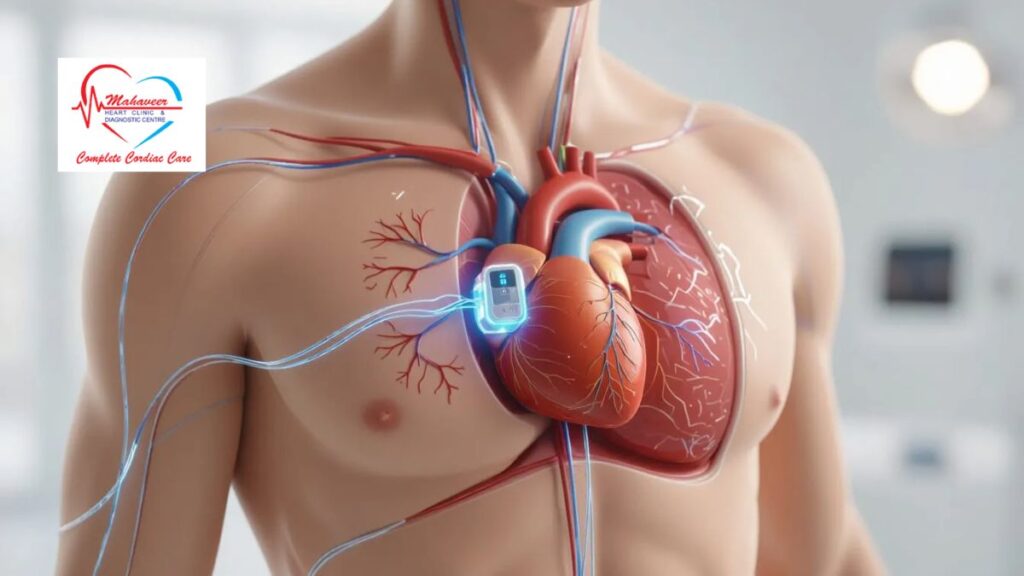
Think of your heart as a sophisticated pump with its own built-in electrical system that tells it when to beat. Sometimes, this electrical wiring develops faults, causing the heart to beat too slowly, too fast, or irregularly. A pacemaker is a small electronic device, about the size of a matchbox, that corrects this. It constantly monitors your heart’s rhythm.
If it detects a beat that is too slow or a missed beat, it sends a tiny, painless electrical signal to the heart muscle, prompting it to contract and produce a heartbeat. This ensures your heart maintains a safe, minimum rate, guaranteeing that your body gets the blood and oxygen it needs.
What Heart Conditions Require a Pacemaker?
Pacemakers are not for all heart problems; they specifically address issues with the heart’s electrical conduction system. The most common reasons include:
- Bradycardia: A consistently slow heart rate.
- Heart Block: A condition where the electrical signals from the upper chambers (atria) to the lower chambers (ventricles) are partially or completely blocked.
- Atrial Fibrillation (AFib) with Slow Heart Rate: Sometimes the treatments for a fast, irregular rhythm can cause the heart to go too slow, requiring a pacemaker.
- Heart Failure: In some cases, a special type of pacemaker, known as Cardiac Resynchronization Therapy (CRT), is used to help the chambers of the heart beat in a more coordinated way.
A highly experienced heart pacemaker specialist, Dr Rakesh Jain, would conduct thorough tests to determine if your specific symptoms and heart condition make you a suitable candidate for this device.
How Many Types of Pacemakers Are There?
There are several types, designed to treat different problems:
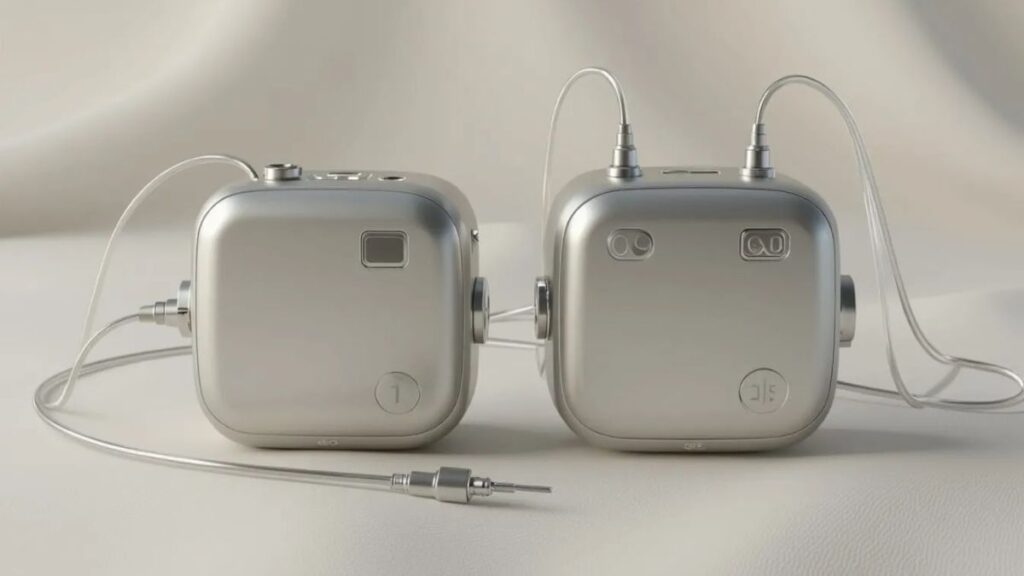
- Single-Chamber Pacemaker: Connects to one chamber of the heart, usually the right ventricle.
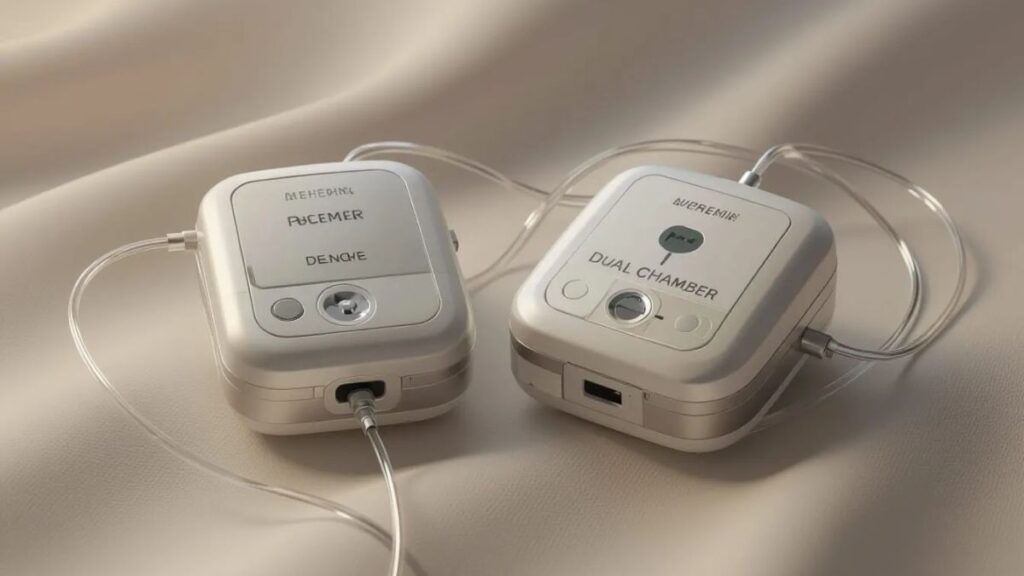
- Dual-Chamber Pacemaker: Connects to two chambers—the right atrium and the right ventricle. This allows the pacemaker to coordinate the timing between these two chambers, mimicking the heart’s natural rhythm more closely.
- Biventricular Pacemaker (CRT-P): A more complex device used for heart failure. It connects to three chambers to help them beat in sync.
The choice of device is tailored to the individual’s needs, a decision best made with a seasoned heart pacemaker specialist, Dr Rakesh Jain.
How Long Does Pacemaker Surgery Take?
The procedure to implant a pacemaker is relatively minor and is typically performed under local anesthesia. You will be sedated and comfortable but awake. The surgery usually takes about one to two hours. The doctor makes a small incision just below the collarbone, places the pacemaker generator under the skin, and threads the thin, flexible wires (leads) through a vein into your heart. It is not open-heart surgery, and recovery is generally swift.
How Many Pacemakers Can Be Implanted in the Heart?
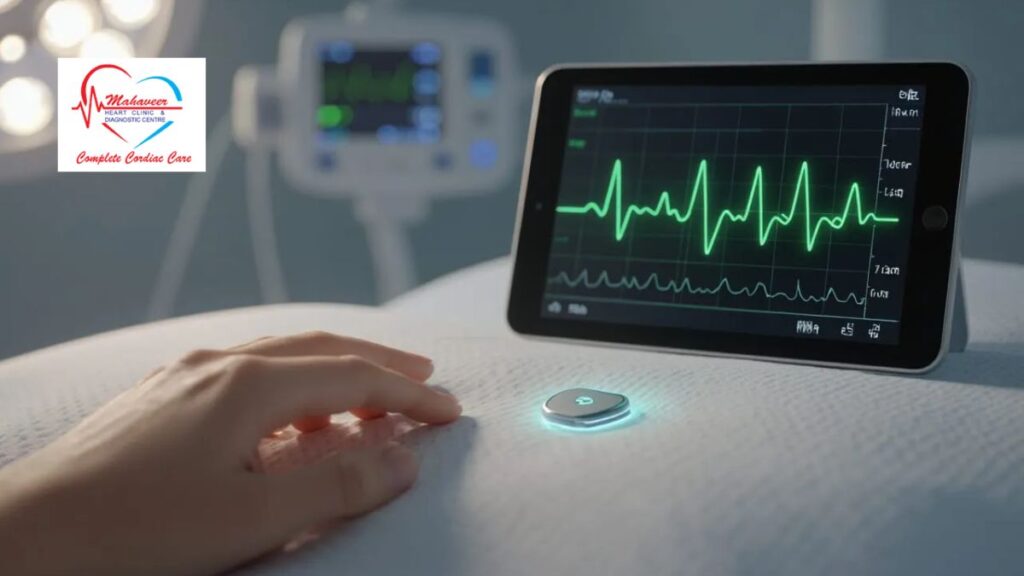
This is a common question with a straightforward answer: only one pacemaker generator is implanted at a time. This single device is powerful enough to manage the heart’s rhythm. However, a patient may have multiple leads (wires) connected to this one generator, depending on whether they have a single, dual, or biventricular system. Over a person’s lifetime, they might need the generator replaced several times as the battery depletes, but it is still one device at a time.
Is a Pacemaker Implant the Best Option?
A pacemaker is not always the first line of treatment for every heart rhythm issue. For some, medication may be sufficient. However, for conditions involving a persistently slow heartbeat or severe heart failure where coordination is lost, a pacemaker is often the most effective and reliable long-term solution.
It directly addresses the electrical fault. The expertise of a heart pacemaker specialist, Dr Rakesh Jain, is invaluable here, as he can weigh all factors—your symptoms, overall health, and the specific nature of your heart condition—to determine if a pacemaker is the best option for you.
How Long Can You Live With a Pacemaker?
This is perhaps the most hopeful aspect of pacemaker therapy. Having a pacemaker implanted does not shorten your life expectancy; in fact, for the conditions it treats, it significantly prolongs and improves the quality of life. Many people with pacemakers live full, active, and long lives.
The device itself is designed to last between 8 to 15 years, depending on usage, after which a minor procedure is done to replace the generator. The guidance from a dedicated heart pacemaker specialist, Dr Rakesh Jain, ensures you can manage your life with a pacemaker confidently, from regular device check-ups to understanding any activity modifications.
In conclusion, a pacemaker is a life-enhancing device that acts as a trusted guardian for your heartbeat. It is a testament to modern medicine’s ability to correct nature’s faults with precision and reliability. If you or a loved one are facing this possibility, seeking clarity and expert care is crucial. With professionals like a heart pacemaker specialist, Dr Rakesh Jain, patients can navigate their journey with confidence, assured that their heart is in capable hands.