


Top reasons for heart attack at the gym | Explains cardiologist Dr. Rakesh Jain
Going to the gym is widely considered a healthy habit, but for some individuals, intense physical activity can unexpectedly trigger serious cardiac events. A heart attack at the gym is rare, but when it happens, it is often linked to underlying risk factors, poor exercise practices, or ignored warning signs. According to cardiologist Dr. Rakesh Jain, understanding these causes can help prevent life-threatening situations and promote safer workouts.
1. Undiagnosed Heart Disease
One of the most common reasons behind a heart attack at the gym is hidden heart disease. Many people have blocked arteries, high cholesterol, or early coronary artery disease without obvious symptoms. During intense exercise, the heart demands more oxygen. If blood flow is restricted due to blockages, it can result in chest pain or a sudden cardiac event.

2. Sudden Intense Workouts Without Preparation
Jumping directly into heavy workouts after a long break is dangerous. Sudden high-intensity exercise puts excessive strain on the heart. This is a major contributor to a heart attack at the gym, especially among people who are middle-aged, overweight, or have existing risk factors like diabetes or high blood pressure.
3. Poor Warm-Up and Cool-Down Habits
Skipping warm-up exercises causes a sudden rise in heart rate and blood pressure. Similarly, stopping abruptly without cooling down can disturb heart rhythm. These sudden changes increase the risk of a heart attack at the gym, particularly in people with weak heart muscles or rhythm disorders.

4. Dehydration and Electrolyte Imbalance
Not drinking enough water during workouts can thicken the blood and reduce circulation. Loss of electrolytes through excessive sweating may also trigger dangerous heart rhythm disturbances. In some cases, dehydration has been linked to a heart attack at the gym, especially during long or high-temperature workout sessions.

5. Overuse of Supplements and Stimulants
Pre-workout supplements, fat burners, and excessive protein powders often contain stimulants that raise heart rate and blood pressure. These substances can overstimulate the heart and increase the risk of a heart attack at the gym, particularly when combined with heavy lifting or cardio workouts.
6. Ignoring Warning Symptoms
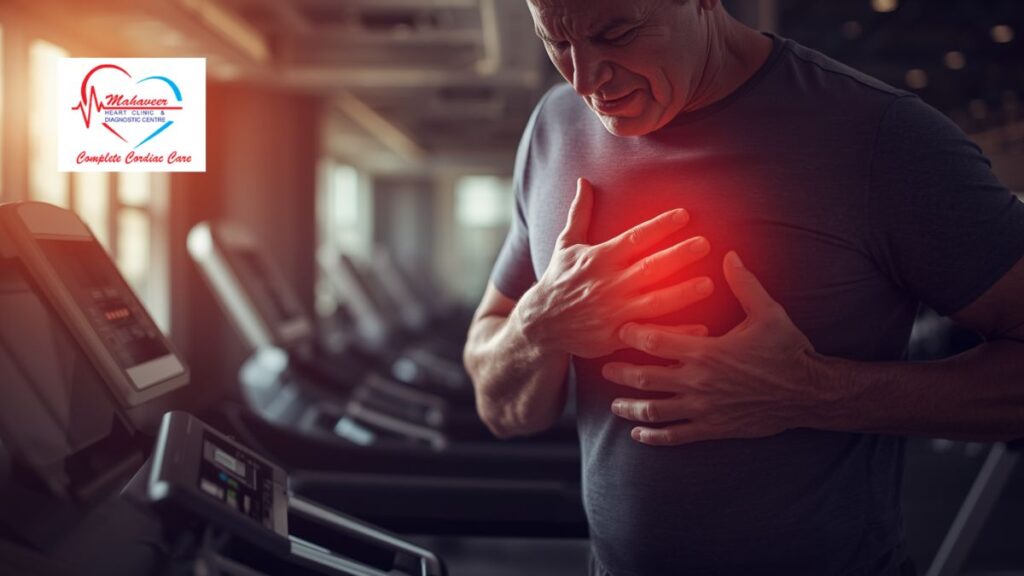
Chest discomfort, shortness of breath, dizziness, nausea, or unusual fatigue during exercise should never be ignored. Many people push through pain, assuming it is normal workout strain. This delay in stopping activity or seeking help can turn minor symptoms into a heart attack at the gym.

7. Existing Medical Conditions
People with high blood pressure, diabetes, obesity, smoking habits, or a family history of heart disease are at higher risk. Without proper medical guidance, these individuals are more susceptible to heart attacks in the gym, especially during strenuous exercise.

8. Exercising While Sick or Sleep-Deprived
Working out when you are ill, feverish, or severely sleep-deprived can stress the heart. Infections and lack of rest increase inflammation and heart strain, making a heart attack at the gym more likely in susceptible individuals.
How to Exercise Safely for Heart Health
Heart Specialist Dr. Rakesh Jain advises starting with moderate-intensity exercise and gradually increasing intensity. Regular health checkups, stress tests (if advised), proper hydration, and listening to your body are essential. A balanced diet, adequate sleep, and avoiding unverified supplements further reduce the risk of a heart attack at the gym.

Frequently Asked Questions (FAQs)
Can exercise really cause a heart attack?
Exercise itself is beneficial for the heart. However, sudden intense activity in people with underlying heart disease can trigger a cardiac event.
Who is at higher risk of a heart attack during gym workouts?
People over 40, smokers, diabetics, individuals with high blood pressure, high cholesterol, or a family history of heart disease are at higher risk.

Is weightlifting more dangerous than cardio?
Both can be safe if done correctly. Heavy weightlifting without proper technique or breathing can increase blood pressure sharply and stress the heart.
Should I get a heart checkup before joining a gym?
Yes. Dr. Rakesh Jain strongly recommends a cardiac evaluation, especially if you have risk factors or are starting intense workouts.
What should I do if I feel chest pain while exercising?
Stop immediately, rest, and seek medical attention. Do not ignore warning signs.
Conclusion
Heart attacks that occur at the gym can often be prevented with awareness, medical guidance, and good exercise habits. Regular checkups and informed fitness routines can ensure that your journey toward health does not put your heart at risk.