

Water plays an important role in keeping our bodies healthy, especially our hearts. It helps blood move through the body, carries nutrients to different organs, and supports normal body functions. However, people with certain heart conditions may need to be careful about how much water they drink each day.
Understanding the right amount of water, choosing healthy drinks, and avoiding harmful habits can help people take better care of their hearts. In this article, we explain water for heart patients in simple language, answer common questions, and share practical tips for everyday life.

Why Is Water Important for Heart Patients?
Water helps the body maintain a healthy balance of fluids. It supports blood circulation and helps the kidneys remove waste products through urine. When the body does not have enough water, dehydration can occur. This may reduce blood volume and cause the heart to beat faster.
For many people, drinking enough water is part of a healthy lifestyle. However, patients with heart failure or certain kidney problems may retain extra fluid, which can cause swelling in the legs, breathlessness, or other symptoms.
According to Dr. Rakesh Jain, a cardiologist in Indore, heart patients should understand their individual fluid needs rather than follow the same drinking rule as everyone else.
How Much Water Should a Heart Patient Drink Daily?
There is no single amount of water that is right for every heart patient. A healthy adult may need around 2–3 litres of total fluids daily, depending on their body size, activity level, climate, and health. This is a general guide, not a prescription for people with heart disease.
Some patients with heart failure, kidney disease, or low blood sodium levels may be advised to limit their daily fluid intake. Others may be able to drink according to their thirst and usual needs.
When planning water for heart patients, remember these practical tips:
- Follow the daily fluid limit prescribed by your doctor, if you have one.
- Drink small amounts throughout the day instead of consuming large amounts at once.
- Consider the fluids in tea, milk, soup, and other drinks if you have a fluid restriction.
- Ask your doctor what to do during hot weather, fever, vomiting, or diarrhoea.
Indore top Cardiologist, Dr. Rakesh Jain can help patients understand why their fluid needs may differ depending on their heart condition and treatment.

Can Drinking Cold Water Increase the Risk of a Heart Attack?
For most people, drinking cold water does not cause a heart attack. There is no strong evidence that cold water directly blocks heart arteries or causes a heart attack in healthy individuals.
Some people may experience temporary discomfort when drinking very cold water, particularly if they are sensitive to sudden temperature changes. However, this does not mean cold water is dangerous for everyone with heart disease.
The best approach is to drink water at a comfortable temperature. If cold water causes discomfort, choose room-temperature water instead.
Is Drinking Lukewarm Water in the Morning Good for Heart Patients?
Drinking lukewarm water in the morning can be a comfortable way to start the day. It helps provide fluid after several hours of sleep and may be soothing for people who prefer warm drinks.
However, lukewarm water does not have special heart-protective powers compared with water at a normal temperature. It does not melt fat from the arteries or prevent heart attacks by itself.
For water for heart patients, the main priority is maintaining appropriate hydration throughout the day while following any fluid restrictions prescribed by a doctor.
Is It Safe for Heart Patients to Drink Tea in the Morning?
Most heart patients can enjoy a moderate amount of tea in the morning, provided their doctor has not advised otherwise. Tea contains caffeine, which may temporarily increase heart rate or blood pressure in some people.
People who experience palpitations, irregular heartbeats, anxiety, or difficulty sleeping after drinking tea should consider reducing their caffeine intake. Avoid adding too much sugar, and remember that tea contributes to total fluid intake.
When choosing water for heart patients as part of a healthy routine, plain water should remain the main drink for hydration, while tea can be enjoyed in moderation when suitable.
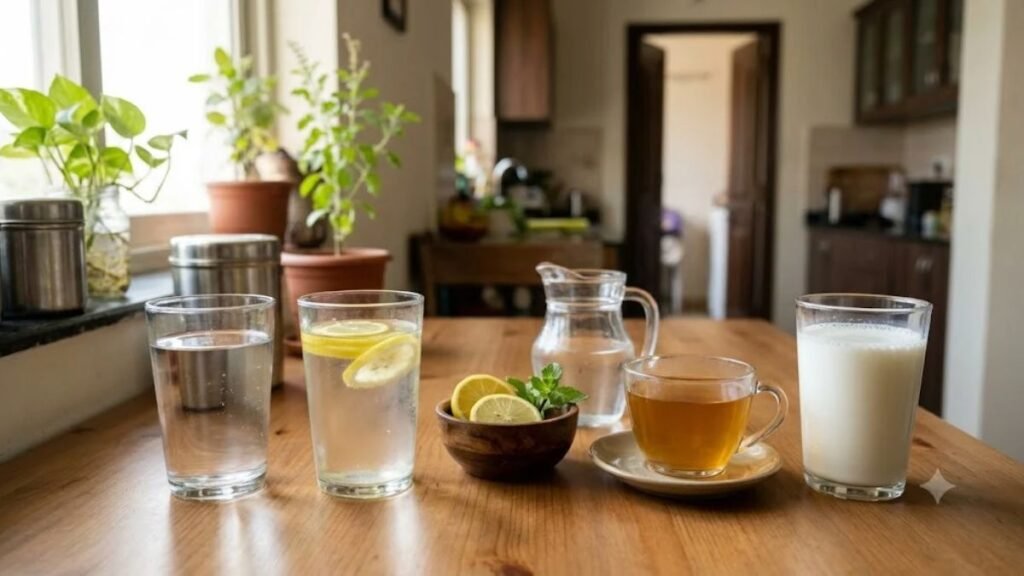
What Drinks Can Heart Patients Consume Besides Water?
Besides water, many heart patients can include other healthy drinks in their daily routine.
- Low-fat milk: Provides protein and calcium, although patients with fluid restrictions should count it toward their allowance.
- Unsweetened lemon water: Adds flavour without requiring extra sugar.
- Plain coconut water: Contains potassium, so patients with kidney problems or high potassium levels should consult their doctor before drinking it regularly.
- Unsweetened herbal tea: Can provide variety, but certain herbs may interact with heart medicines.
- Homemade vegetable soup: Can provide nutrients, but choose low-salt options and count the fluid if you have a restriction.
Avoid making sugary soft drinks and energy drinks a regular habit. They may contain excess sugar, caffeine, or other stimulants that are unsuitable for some heart patients.
Does Drinking Alcohol Reduce the Risk of a Heart Attack?
No. Alcohol should not be used to prevent a heart attack. Although some older studies suggested that small amounts might benefit certain heart-related measurements, this does not establish that drinking alcohol protects the heart.
Alcohol can raise blood pressure, trigger irregular heart rhythms, and contribute to other health problems. It may also interact with medicines used to treat heart conditions.
A healthier approach is to avoid alcohol or discuss your individual risks with your doctor, especially if you already have heart disease.

Why Do Heart Patients Drink Less Water?
Some heart patients drink less water because their doctors have prescribed a daily fluid limit. This is particularly common in certain cases of heart failure, where the body retains extra fluid.
When the heart cannot pump blood effectively, fluid may collect in the lungs, legs, or other parts of the body. Drinking excessive amounts can sometimes worsen this problem.
However, water for heart patients should not automatically be restricted. Drinking too little can also cause dehydration, weakness, dizziness, and kidney problems. Follow your prescribed fluid plan rather than restricting water on your own.
Does Water Reduce Cholesterol in the Arteries of the Heart?
No. Drinking water does not directly remove cholesterol deposits from the arteries. Cholesterol can accumulate inside artery walls, contributing to a condition called atherosclerosis.
Water supports general health, but it cannot replace cholesterol-lowering treatment, a balanced diet, physical activity, or other measures recommended by your doctor.
To protect your heart, eat more vegetables, fruits, whole grains, and fibre-rich foods. Limit excess salt, trans fats, and highly processed foods. Check your cholesterol levels regularly and take prescribed medicines as directed.
Healthy Drinking Habits for Heart Patients
Following a sensible routine can make daily hydration easier. These tips for water for heart patients can help:
- Keep track of how much you drink if your doctor has set a limit.
- Drink gradually throughout the day according to your prescribed plan.
- Choose plain water instead of sugary beverages.
- Monitor unusual swelling, sudden weight gain, or increasing breathlessness.
- Seek medical advice if you are unsure about your fluid needs.
Dr. Rakesh Jain, a cardiologist in Indore, can guide patients on heart health, hydration, and the importance of following an individual treatment plan.
Conclusion
Water is essential for the body, but the right amount depends on your heart condition, kidney function, medicines, and daily activity. Most heart patients can drink water at a comfortable temperature and enjoy moderate amounts of suitable beverages. However, some may need a medically advised fluid restriction.
The safest approach to water for heart patients is simple: stay appropriately hydrated, avoid unnecessary restrictions, and follow your cardiologist’s advice. Remember, water supports your health, but it does not replace treatment for heart disease or high cholesterol.