
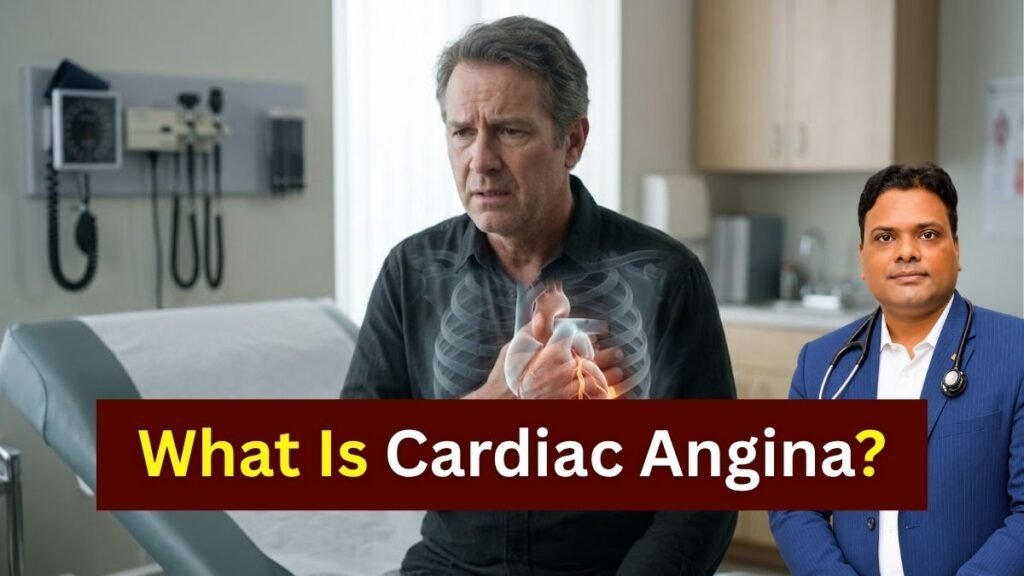
Chest discomfort is something many people tend to ignore, especially when it appears after physical activity and improves with rest. But recurring chest pressure, tightness, or discomfort can be an important warning sign from the heart. Cardiac Angina occurs when the heart muscle does not receive enough oxygen-rich blood for its needs. It is commonly associated with coronary artery disease and should not be dismissed as simple gas or acidity.
Understanding the symptoms, causes, diagnosis, and connection between angina and heart attack can help people seek medical attention at the right time.
What is cardiac angina?
Cardiac Angina is a type of chest discomfort that develops when the heart muscle temporarily receives less oxygen-rich blood than it requires. It is not usually a disease by itself but a symptom of an underlying heart or blood-vessel problem. The discomfort may occur during physical exertion, emotional stress, or sometimes even while resting, depending on the type of angina.
There are different forms, including stable, unstable, microvascular, and vasospastic angina. Their triggers and severity can differ, which is why repeated or unexplained chest discomfort deserves medical evaluation.
What kind of disease is angina?
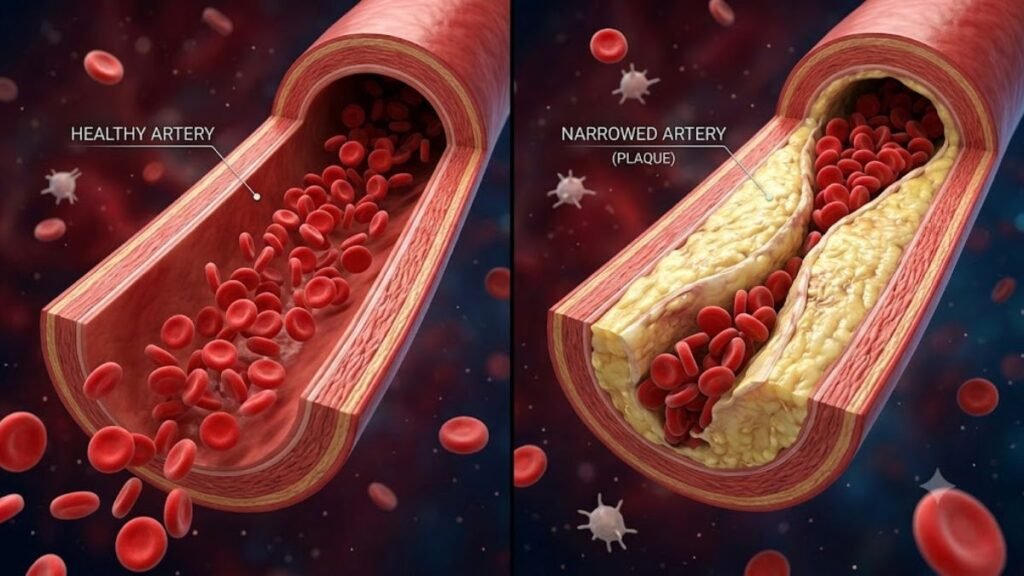
Angina is best understood as a symptom rather than a separate disease. It usually indicates that the heart is not receiving adequate blood flow. In many patients, the underlying problem is coronary artery disease, in which plaque gradually narrows the coronary arteries.
This distinction is important. Treating only the discomfort without identifying its underlying cause may leave the actual heart problem unaddressed.

What is the main cause of cardiac angina?
The most common cause is reduced blood flow through the coronary arteries. Atherosclerosis can cause fatty deposits or plaque to build up inside these arteries, making them narrower and limiting oxygen delivery to the heart muscle.
Risk factors such as high cholesterol, high blood pressure, smoking, diabetes, physical inactivity, unhealthy diet, increasing age, and family history can increase the likelihood of coronary artery disease and angina.
What do coronary artery disease and angina have in common?
Coronary artery disease and Cardiac Angina are closely connected. Coronary artery disease affects the blood vessels that supply the heart, while angina is one of the symptoms that can occur when those vessels cannot provide enough blood and oxygen to the heart muscle.
For example, when a coronary artery becomes narrowed, the heart may receive enough blood while a person is resting but not enough during exercise. This increased demand can trigger chest discomfort.

What are the symptoms of cardiac angina?
The most recognized symptom is chest discomfort, which may feel like:
- Pressure or heaviness
- Tightness or squeezing
- Burning
- Pain or discomfort behind the breastbone
- Discomfort spreading to the arm, shoulder, neck, jaw, back, or upper abdomen
- Shortness of breath
- Sweating
- Nausea
- Dizziness or light-headedness
- Unusual tiredness or weakness
Symptoms can vary from person to person, and women may experience symptoms such as nausea, shortness of breath, or discomfort in the back or jaw without obvious chest pain.
What does the body feel like during an angina episode?
During an episode, a person may describe the sensation as though something is pressing, squeezing, or weighing down the chest. Some people mistake it for indigestion or gas. Stable angina commonly appears during exercise or emotional stress and may improve after resting.
However, a new, severe, worsening, or persistent episode should never be assumed to be ordinary angina. As Dr. Rakesh Jain, Cardiologist in Indore, would emphasize in patient awareness, recognizing unusual chest symptoms early is an important part of protecting heart health.

In which age group is cardiac angina more commonly seen?
Angina becomes more common as people get older because the risk of coronary artery disease increases with age. However, cardiac angina is not exclusively a condition of older adults. People with diabetes, high cholesterol, hypertension, smoking history, obesity, strong family history, or other cardiovascular risk factors may develop coronary artery disease at a younger age.
Therefore, age alone should not determine whether chest symptoms need evaluation.
How is cardiac angina diagnosed?
Doctors begin by understanding the patient’s symptoms, medical history, family history, and cardiovascular risk factors. They may then recommend tests depending on the individual’s situation.
Possible investigations include an ECG, blood tests, echocardiogram, exercise stress testing, coronary CT angiography, or invasive coronary angiography. These tests can help identify coronary artery disease and distinguish angina from other causes of chest discomfort.
Dr. Rakesh Jain, Cardiologist in Indore, can evaluate symptoms and determine which cardiac investigations are appropriate rather than assuming that every episode of chest discomfort has the same cause.
What is the difference between angina and a heart attack?
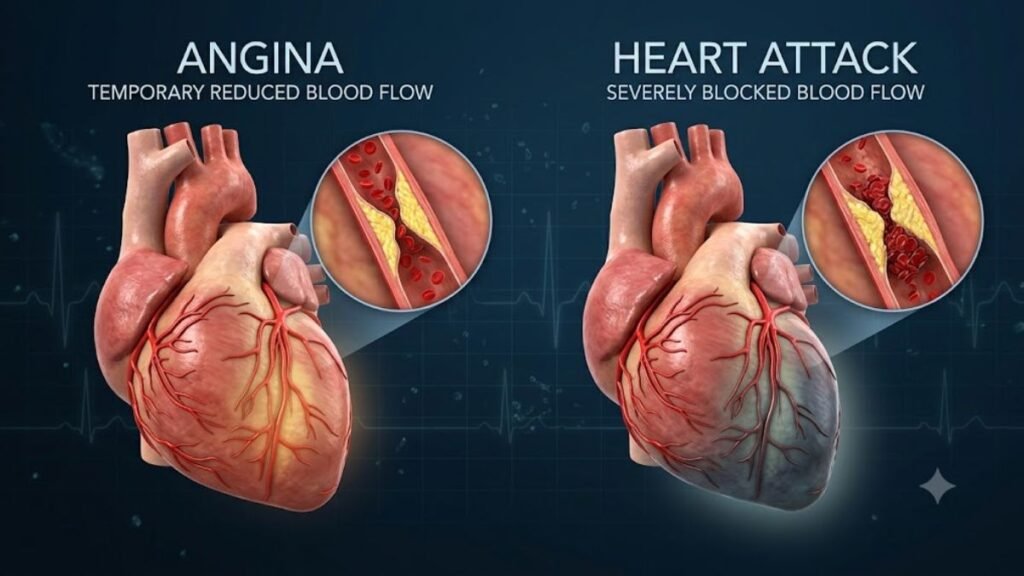
The key difference is heart muscle damage. Angina generally occurs because the heart temporarily does not receive enough oxygen-rich blood, while a heart attack occurs when blood flow is sufficiently blocked or reduced to cause injury or death of heart muscle cells.
Stable angina often follows a recognizable pattern and improves with rest or prescribed treatment. A heart attack may cause persistent or worsening symptoms and requires emergency medical attention.
Does angina cause a heart attack?
Angina itself does not necessarily cause permanent heart damage. However, it can be a warning sign of an increased heart-attack risk. Unstable angina, in particular, is a medical emergency and can progress to a heart attack.
If chest discomfort is new, severe, occurs at rest, lasts longer than usual, keeps returning, or is accompanied by breathlessness, sweating, nausea, weakness, or pain spreading to the arm, jaw, back, or neck, seek emergency medical care immediately. Do not try to diagnose the cause yourself.
Final Takeaway
Cardiac Angina should be viewed as an important signal from the heart rather than something to ignore. Understanding its symptoms and relationship with coronary artery disease can encourage timely diagnosis and appropriate treatment. Regular heart-health checks, controlling blood pressure and cholesterol, avoiding tobacco, staying physically active, and following medical advice can help reduce cardiovascular risk.
Most importantly, never ignore unexplained or persistent chest discomfort. Early evaluation can make a significant difference, particularly when the symptoms could represent an acute heart problem.