
A Small Change Can Make a Big Differencetion:

Meet the Sharma family. They live in a busy city where everyone has something to do. Papa goes to work, Mama takes care of the home, and their children, Riya and Aarav, go to school. Every morning, the family rushes to get ready. They often eat breakfast quickly, sit for long hours, enjoy fried snacks, and spend their evenings watching television or using mobile phones.
One day, six-year-old Aarav asks his mother, “Mumma, what keeps our heart beating?” His mother smiles and says, “Your heart is like a little pump inside your body. It works day and night to send blood to every part of you. We must take good care of it!” Aarav becomes curious and wants to know how to keep his heart strong and healthy.
Just like the Sharma family, many families want to stay healthy but do not know where to begin. The good news is that keeping your heart healthy does not always require big changes. Small steps taken every day can make a real difference. If you want to learn more about protecting your heart, a Heart Specialist in Indore can guide you about heart health, risk factors, and preventive care. Let us follow the Sharma family and discover some simple ways to care for our hearts.
1. Understand Your Heart: The Hardworking Pump Inside You
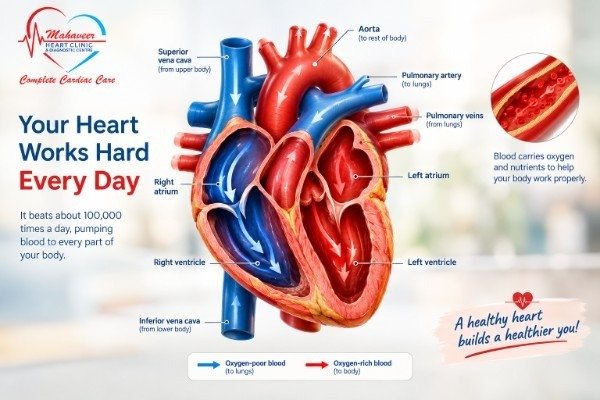
Before learning how to protect the heart, let us understand what it does. Imagine that your body is a house and your blood vessels are roads. Your heart is the pump that moves blood through these roads. Blood carries oxygen and nutrients that your body needs to work properly.
Your heart keeps beating when you sleep, play, study, walk, and laugh. It does not take a holiday! But just like a machine needs proper care, your heart also needs healthy habits. Papa asks, “Does the heart become unhealthy only when we grow old?” Mama explains, “No. Heart health matters at every age. The habits we learn as children can help us stay healthier as adults.”
A Heart Specialist in Indore can help people understand their heart health and identify problems that may need medical attention. Remember, taking care of your heart today can help protect your health in the future.
2. Eat Healthy Food: Give Your Heart the Right Fuel
One evening, Aarav opens the kitchen cupboard and asks for chips and biscuits. Riya wants a burger. Their mother explains that these foods can be enjoyed sometimes, but they should not replace healthy meals. “What should we eat, then?” Riya asks. Mama takes out a plate and fills it with colourful foods.
Fruits and vegetables, such as apples, bananas, oranges, carrots, spinach, and tomatoes, provide important nutrients that help keep the body healthy. Whole grains, such as whole-wheat roti and oats, provide fibre that supports overall health. Pulses and beans, including dal, chickpeas, and kidney beans, provide protein and fibre and can be included in everyday meals.
Nuts and seeds can also be part of a balanced diet when eaten in suitable portions. The family learns to use cooking oils in moderation and limit foods high in trans fats and excess saturated fats. They also understand why it is important to reduce excess salt and added sugar. Too much salt can increase blood pressure in some people, while too much added sugar can contribute to weight gain and other health problems.
The family decides to make one change at a time. They begin adding more vegetables to lunch and choosing fruit for some snacks. A Heart Specialist in Indore may also recommend dietary changes based on a person’s blood pressure, cholesterol levels, diabetes, and other health needs. The simple rule is to eat a variety of healthy foods, enjoy sensible portions, and avoid depending too much on highly processed snacks.
3. Move Your Body Every Day
After dinner, the Sharma family usually sits on the sofa. One day, Papa suggests going for a walk together. At first, Aarav asks, “Why do we need to walk when we are already tired?” Papa replies, “Moving our bodies helps our hearts and muscles work well!”
The family starts with a short walk. Soon, their evening walks become a fun habit. Physical activity can help control blood pressure, improve fitness, support a healthy weight, and reduce the risk of heart disease. You do not always need a gym to stay active. Walking with your family, riding a bicycle safely, dancing to your favourite songs, playing outdoor games, and taking regular breaks from sitting are all good ways to move your body.
Children should get plenty of active play, while adults should aim for regular physical activity suited to their abilities and health. For many adults, a useful goal is at least 150 minutes of moderate activity each week, such as brisk walking. If you have a medical condition or experience symptoms during exercise, ask your healthcare professional what is safe for you. A Heart Specialist in Indore can help you understand how to stay active safely.
4. Sleep Well: Let Your Body Rest
One night, Riya stays awake late watching cartoons. The next morning, she feels sleepy and struggles to get ready for school. Mama explains, “Your body needs sleep to rest, grow, and get ready for a new day.”
Good sleep is important for the whole family. Poor sleep over time may be linked to high blood pressure, weight gain, and other health problems. To sleep better, try to go to bed and wake up at regular times, keep mobile phones and televisions away close to bedtime, avoid heavy meals immediately before sleeping, and keep your bedroom quiet and comfortable. It is also helpful to avoid caffeine late in the day and make time to relax before bed.
Children need more sleep than adults, and the amount varies with age. Adults generally need at least seven hours of sleep each night. If someone snores loudly, wakes up gasping, or feels extremely sleepy during the day, they should discuss it with a healthcare professional. A Heart Specialist in Indore may recommend further assessment when sleep-related concerns could affect heart health.
5. Keep Stress Under Control
Papa has a busy day at work. Sometimes, he feels worried about deadlines and responsibilities. When he comes home, he becomes quiet and tired. Mama suggests that the family spend a little time talking about their day. Papa discovers that sharing his worries helps him feel calmer.
Stress is a normal part of life, but long-lasting stress can affect sleep, eating habits, blood pressure, and general well-being. You can manage everyday stress by talking to someone you trust, taking slow and comfortable breaths, spending time outdoors, listening to relaxing music, enjoying hobbies, and taking short breaks during work. If stress feels difficult to manage, professional support can also help.
Children experience stress, too. Schoolwork, friendships, and changes at home can sometimes feel overwhelming. Listening to children and helping them express their feelings can make a difference. A Heart Specialist in Indore can advise people with heart-related concerns, while a mental health professional can provide support for ongoing emotional difficulties. Caring for your feelings is also an important part of caring for your overall health.
6. Say No to Smoking and Tobacco
One day, Aarav sees someone smoking and asks Papa why smoke comes out of a cigarette. Papa explains that smoking introduces harmful chemicals into the body. These chemicals can damage blood vessels and increase the risk of heart disease. Smoking is harmful even when a person smokes only a few cigarettes, and second-hand smoke can also harm people nearby.
To protect your heart, avoid starting smoking, stay away from tobacco in all forms, and avoid second-hand smoke whenever possible. Vaping is not harmless, either, because it can expose people to harmful substances, and nicotine can cause addiction. If you use tobacco, quitting is one of the most important steps you can take to improve your health. A doctor can help you find a suitable quitting plan. A Heart Specialist in Indore can explain how smoking affects your heart and help you understand your risk factors.
7. Check Your Blood Pressure, Blood Sugar, and Cholesterol

The Sharma family visits their doctor for a routine health check-up. Papa learns that high blood pressure can sometimes be present even when a person feels completely fine. He is surprised because he thought health problems always caused noticeable symptoms.
The doctor explains that some heart risk factors do not cause obvious symptoms in their early stages. Blood pressure measures the force of blood against the walls of your blood vessels, and high blood pressure can damage the heart over time. High blood sugar can damage blood vessels and increase the risk of heart disease, especially in people with diabetes. Cholesterol is a fatty substance in the blood, and too much LDL cholesterol can contribute to plaque building up inside arteries, making it harder for blood to flow.
The right time for screening depends on age, family history, existing health conditions, and other risk factors. A Heart Specialist in Indore can help assess your heart health and decide whether tests or treatment are needed. Do not start medicines or stop prescribed treatment on your own. Follow your doctor’s advice and attend recommended follow-up appointments.
8. Know the Warning Signs of a Heart Problem
One afternoon, Papa watches a television programme about heart attacks. He learns that a heart attack does not always look like it does in films. Some warning signs include pain, pressure, tightness, or discomfort in the chest; pain or discomfort in one or both arms, the back, shoulders, neck, jaw, or upper stomach; shortness of breath; cold sweating; nausea or vomiting; and sudden dizziness or unusual weakness.
Some people, including women and people with diabetes, may experience less typical symptoms. If you think someone is having a heart attack, seek emergency medical help immediately. In India, you can call 112 for emergency assistance. Do not wait for symptoms to disappear or delay getting help while trying home remedies. A Heart Specialist in Indore can evaluate heart symptoms, but suspected heart attacks require immediate emergency care rather than waiting for a routine appointment. Knowing the warning signs can help you act quickly when every minute matters.
9. Make Heart Health a Family Habit
The Sharma family decides that heart health should be a team effort. They begin making simple changes together. They eat more home-cooked, balanced meals, go for evening walks, make time for play and exercise, follow regular sleep schedules, avoid tobacco smoke, and attend health check-ups when needed.
They do not expect to become perfect overnight. If they eat an occasional treat or miss a walk, they simply return to their healthy routine the next day. This is the secret: small, regular changes are easier to maintain than sudden, strict rules. Parents can set a good example by making healthy choices themselves because children often learn more from what adults do than from what adults say.
If your family has a history of heart disease or you have concerns about your personal risk, a Heart Specialist in Indore can help you understand which preventive steps are right for you.
10. When Should You Seek Advice From a Heart Doctor?
You do not need to wait for a serious problem before discussing your heart health with a doctor. Consider seeking medical advice if you have high blood pressure, diabetes, high cholesterol, a family history of early heart disease, or concerns about your heart symptoms. A doctor may review your medical history, check your blood pressure, examine you, and recommend tests when appropriate.
A Heart Specialist in Indore can also help people who have already been diagnosed with a heart condition understand their treatment and follow-up needs. Remember, not everyone needs the same tests or treatment. Your healthcare professional can guide you according to your age, symptoms, medical history, and risk factors.
Frequently Asked Questions (FAQs)
1. How can I keep my heart healthy every day?
You can help protect your heart by eating balanced meals, staying physically active, getting enough sleep, avoiding tobacco, managing stress, and attending suitable health check-ups. Small daily habits can make a positive difference to your health over time.
2. Which foods are good for heart health?
Fruits, vegetables, whole grains, pulses, beans, nuts, and seeds can be part of a heart-friendly diet. Choose suitable portions and limit excess salt, added sugar, and unhealthy fats.
3. How much exercise do adults need for a healthy heart?
Most adults should aim for at least 150 minutes of moderate physical activity each week, if appropriate for their health. Brisk walking, cycling, and swimming are examples. Start at a suitable level and seek medical advice if you have symptoms or health concerns.
4. Can children develop healthy heart habits?
Yes. Children can learn to enjoy nutritious foods, play actively, sleep well, and avoid tobacco smoke. These habits support their overall health and can continue into adulthood.
5. Why should I check my blood pressure?
High blood pressure often has no clear symptoms, but it can damage blood vessels and increase the risk of heart disease. Regular checks can help identify the problem so it can be managed.
6. When should I visit a Heart Specialist in Indore?
Consider consulting a heart doctor if you have heart-related symptoms, high blood pressure, diabetes, high cholesterol, a family history of early heart disease, or a known heart condition. Chest pressure, sudden breathing difficulty, or other possible heart attack symptoms require emergency medical help.
7. Can walking help protect my heart?
Yes. Regular walking can improve fitness, help manage blood pressure, and support a healthy weight. Choose a pace that suits your fitness level and follow medical advice if you have a health condition.
8. Does stress affect heart health?
Long-lasting stress may affect blood pressure, sleep, and other habits linked to heart health. Relaxation, exercise, social support, and professional help when needed can help you manage stress.
9. Is a heart check-up necessary if I feel healthy?
It depends on your age, medical history, and risk factors. Some conditions, such as high blood pressure and high cholesterol, may not cause noticeable symptoms. A healthcare professional can advise you about appropriate screening.
10. What is the first step towards a healthier heart?
Start with one manageable change. You could walk regularly, eat more vegetables, improve your sleep routine, or arrange a check-up if recommended. Keep building healthy habits over time.