
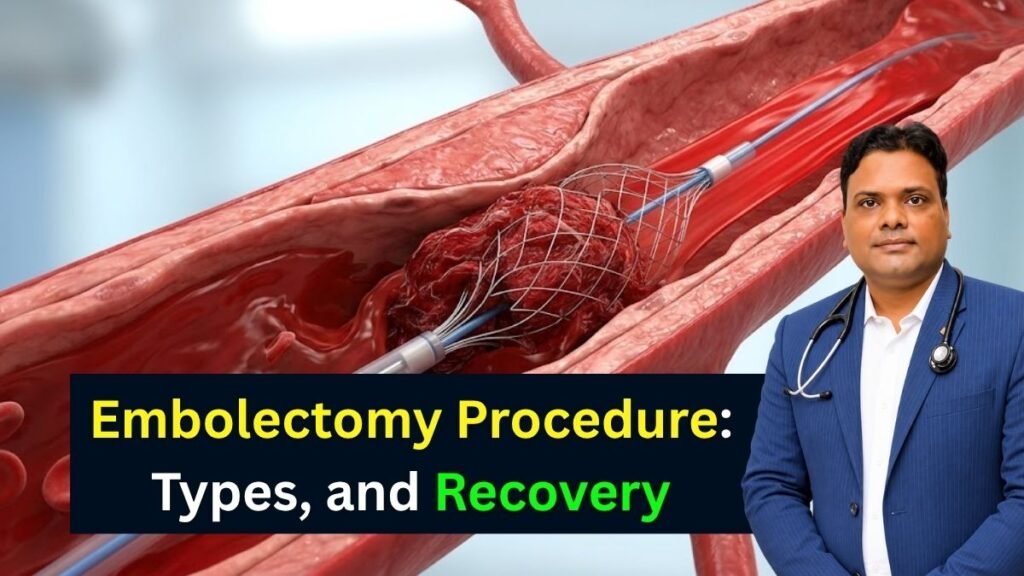
A blood clot can sometimes block normal blood flow and become a serious medical problem. When a clot travels from one part of the body and becomes lodged in another blood vessel, doctors may consider an Embolectomy Procedure to remove the blockage and restore circulation. The exact treatment depends on the clot’s location, size, severity of symptoms, and the patient’s overall health.
For patients and families, understanding what an embolectomy means can make a complicated medical situation easier to understand. Dr. Rakesh Jain, a Cardiologist in Indore, emphasizes that sudden symptoms related to blood-flow obstruction should never be ignored, particularly when they involve the heart or lungs.
What Is an Embolectomy Procedure?
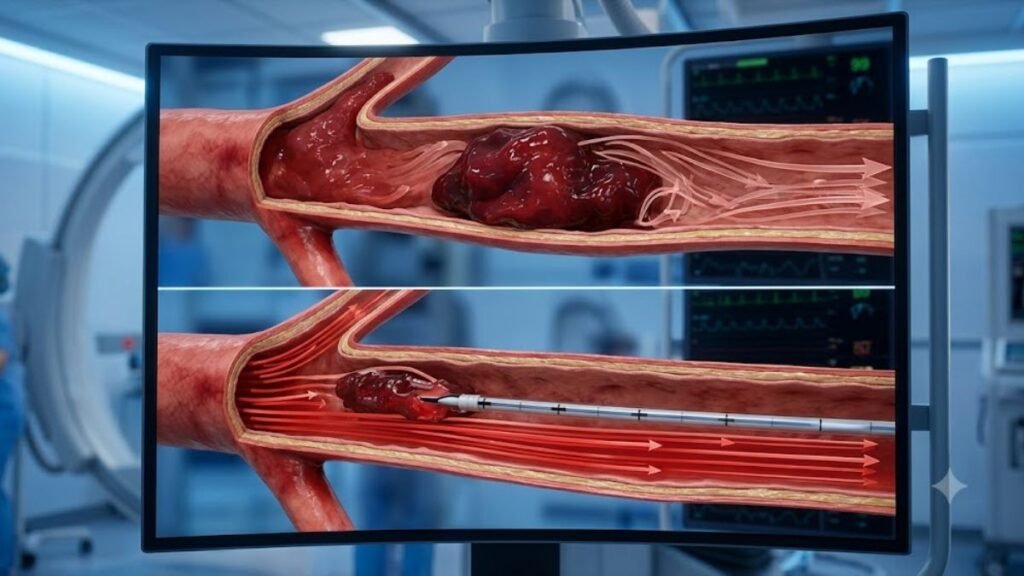
An Embolectomy Procedure is a medical procedure used to remove an embolus, which is a blood clot or other material that has traveled through the bloodstream and become lodged in a blood vessel. The blockage can reduce or completely stop blood flow to an important organ or body part.
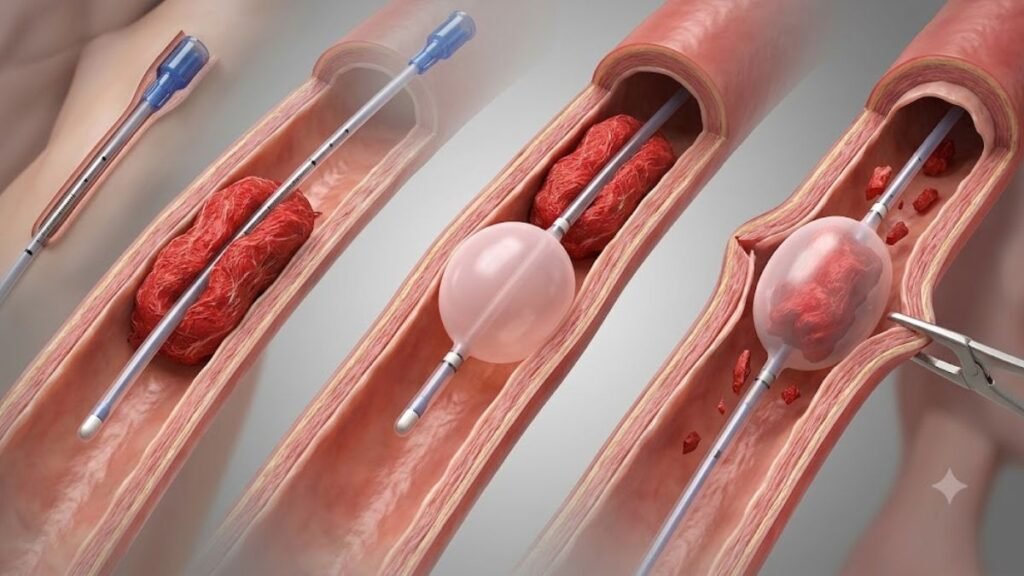
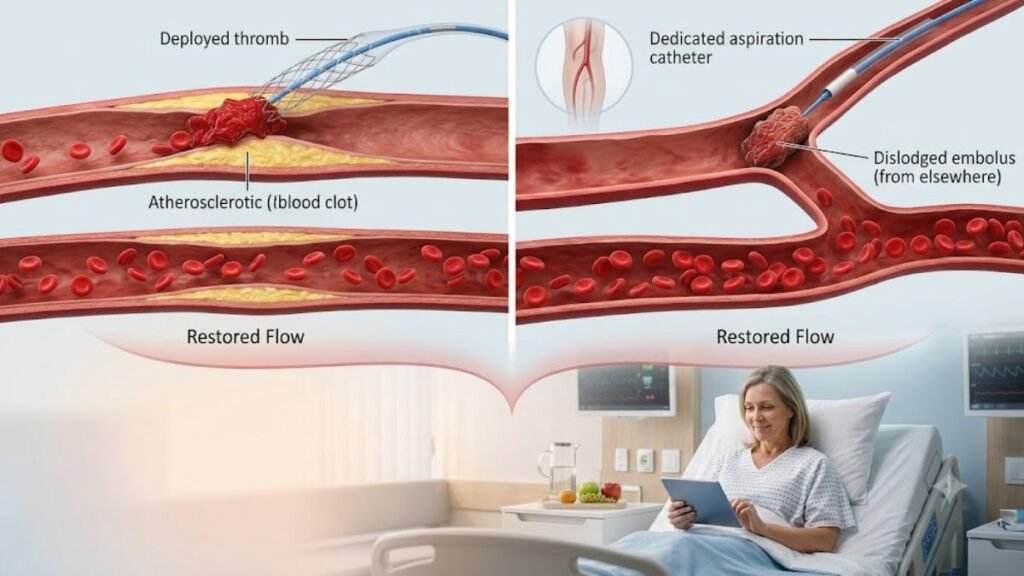
Depending on the situation, clot removal may be performed through a catheter inserted into a blood vessel or through open surgery. Catheter-based techniques may use suction or specialized devices, while surgical procedures involve directly accessing the affected vessel.
The treatment approach is selected according to the location and characteristics of the clot. In some situations, medicines such as anticoagulants or thrombolytic drugs may be used instead of a procedure.
Why Is an Embolectomy Performed?
The primary purpose of an Embolectomy Procedure is to restore blood flow when a clot is causing a significant blockage. It may be considered when medication is unsuitable, has not produced the desired response, or when the patient’s condition requires rapid removal of the clot.
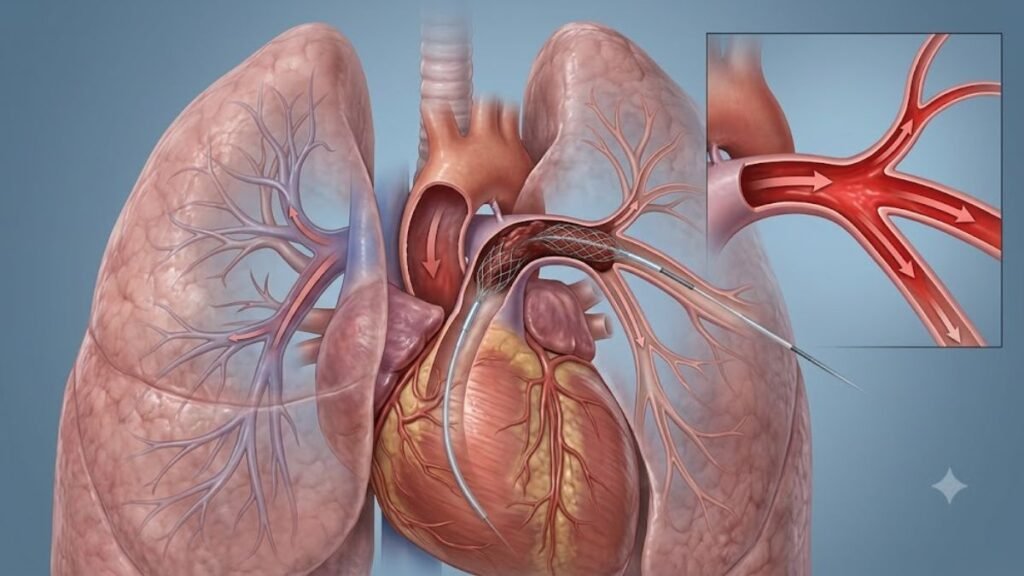
One important example is pulmonary embolism, where a clot travels to the lungs and blocks a pulmonary artery. Severe pulmonary embolism can affect the heart and lungs and may require urgent treatment.
Dr. Rakesh Jain, a Cardiologist in Indore, recommends that symptoms such as sudden breathlessness, chest discomfort, fainting, or unexplained rapid heartbeat should receive immediate medical attention rather than being managed at home.
What Is Pulmonary Embolectomy?
Pulmonary Embolectomy is the removal of a blood clot from the pulmonary arteries or their branches. It may be performed using a catheter-based approach or through surgical removal, depending on the severity and clinical circumstances.
For serious pulmonary embolism, doctors may consider embolectomy when blood thinners or clot-dissolving treatment cannot be used or have not been effective. Not every patient with pulmonary embolism requires clot removal; treatment is individualized according to risk and clinical findings.
What Is Pulmonary Artery Embolectomy?
A pulmonary artery embolectomy specifically refers to removing an obstructing clot from a pulmonary artery. In surgical treatment, the surgeon accesses the pulmonary artery and removes the clot, sometimes with the assistance of cardiopulmonary bypass.
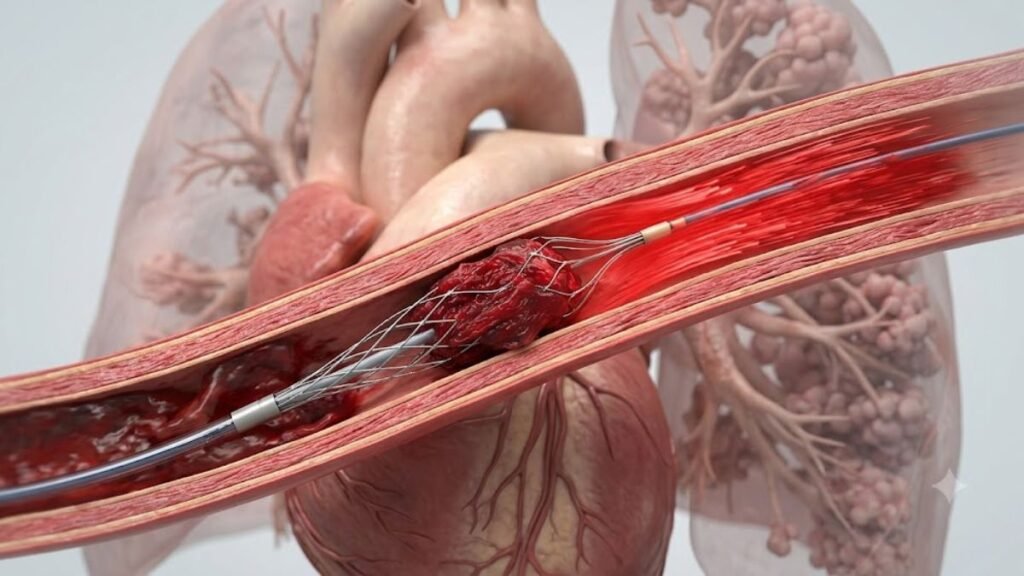
Catheter-based techniques can provide another approach in selected patients. These procedures use specialized catheters to reach the clot and remove it mechanically or through aspiration.
The decision between catheter-based and surgical treatment depends on several factors, including the patient’s condition, clot burden, bleeding risk, and available expertise.
What Is Fogarty Embolectomy?
A Fogarty embolectomy uses a specialized balloon catheter to help remove a clot from a blood vessel. The catheter is passed beyond the clot, the balloon is inflated carefully, and the catheter is withdrawn so the clot can be retrieved.
This technique is commonly associated with arterial embolectomy and has been an established method of catheter-mediated clot removal.
A Fogarty catheter may also be used as part of surgical management in selected pulmonary embolism cases, depending on the location and accessibility of the clot.
Difference Between Thrombectomy and Embolectomy
The terms thrombectomy and embolectomy are sometimes used interchangeably, but there is a traditional distinction.
A thrombectomy generally means removing a blood clot, or thrombus, that formed at the site where it is causing the blockage. An embolectomy traditionally refers to removing an embolus that traveled from another location before becoming lodged in a blood vessel.
In modern medical practice, however, the terminology can overlap, and both procedures may involve surgical or catheter-based clot removal.
How Long Does an Embolectomy Take?
The duration of an Embolectomy Procedure is not the same for every patient. A catheter-based procedure may take less time than open surgery, but the actual duration depends on the location, size, number, and complexity of the clots.
Emergency procedures can also require additional time for stabilization, imaging, anesthesia, and post-procedure monitoring. Therefore, patients should not assume that there is one fixed duration for every embolectomy.
Dr. Rakesh Jain, a Cardiologist in Indore, advises patients to focus not only on procedure time but also on timely diagnosis and appropriate treatment.
What Is the Recovery Time After an Embolectomy?
Embolectomy Recovery Time varies considerably. Recovery after a catheter-based procedure is generally different from recovery after major open surgery. Some patients may require short hospital observation, while those undergoing surgical pulmonary embolectomy may need intensive monitoring and a longer hospital stay.
During recovery, patients may be prescribed blood-thinning medication to reduce the risk of another clot. Follow-up appointments and monitoring are important because the underlying cause of clot formation also needs attention.
The Embolectomy Recovery Time may also depend on the patient’s age, general health, the severity of the original clot, and whether complications occurred.
Final Takeaway
An Embolectomy Procedure can be an important treatment when a dangerous blood clot blocks circulation and requires physical removal. Pulmonary embolectomy, pulmonary artery embolectomy, catheter-based techniques, and Fogarty balloon embolectomy are different approaches used in appropriate clinical situations.
Dr. Rakesh Jain, a Cardiologist in Indore, highlights the importance of seeking urgent medical evaluation when symptoms such as sudden breathlessness, chest pain, fainting, or severe unexplained weakness occur.
Most importantly, treatment should never be chosen based only on the name of a procedure. Doctors evaluate the clot, its location, the patient’s condition, and the risks and benefits of available treatments before recommending an Embolectomy Procedure.
If you or a family member has been diagnosed with a blood clot, discuss the available treatment options, expected Embolectomy Recovery Time, medications, and follow-up requirements with the treating medical team.